VPS 部署
這是什麼
把 Hermes 安裝在持續上線的遠端伺服器,讓自動化與 gateway 不受個人電腦開關影響。
白話解釋
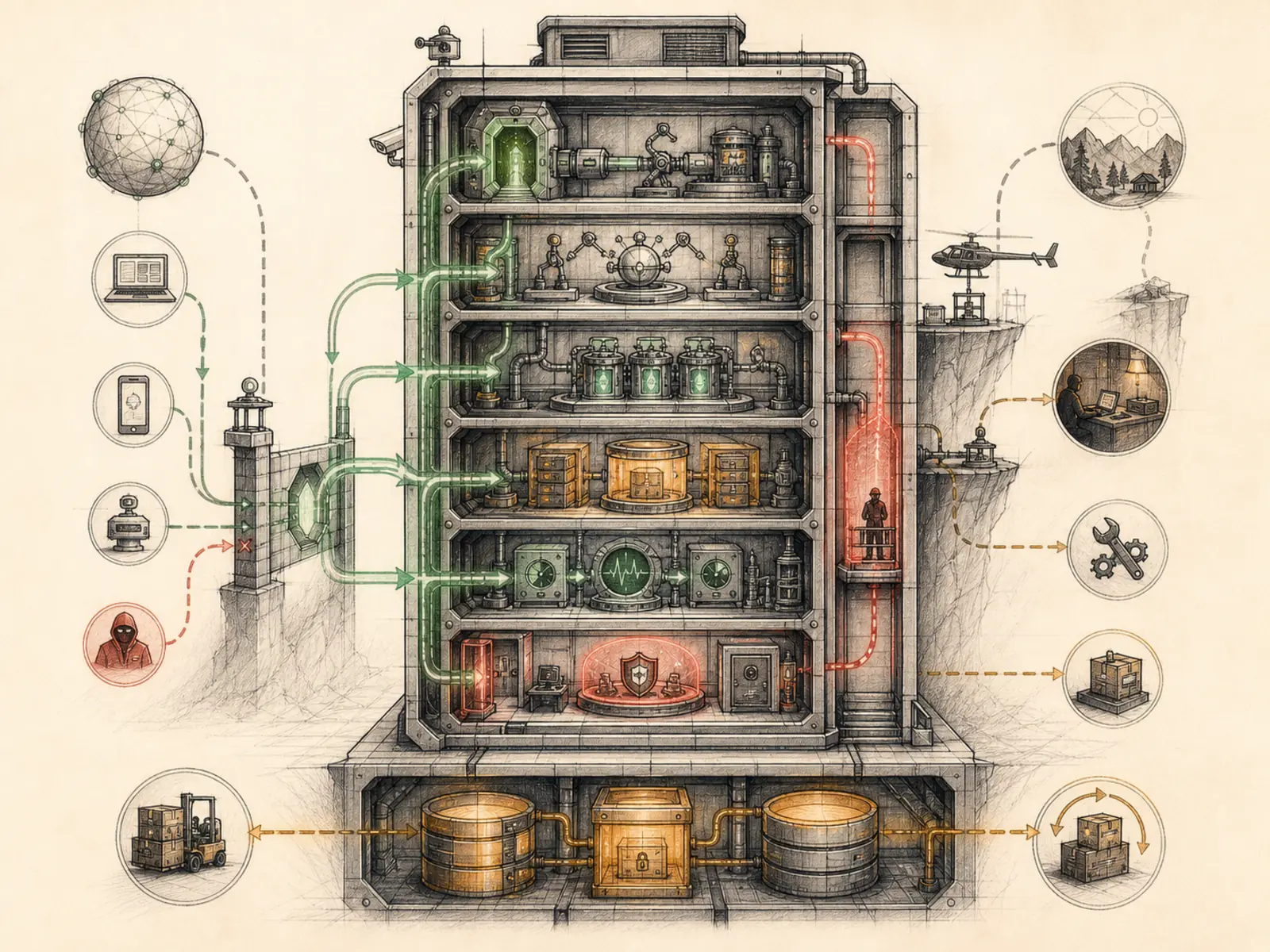
想像在自家車道擺檸檬水攤,與租下一間能自行營業的店面之間的差別:店面會持續開燈並按自己的時間表接單,不受你當天是否出現影響。VPS 部署把 Hermes 放在遠端租用硬體上,因此即使筆記型電腦關機,排程與訊息頻道仍能持續運作。
為什麼重要
Cron 工作持續觸發、gateway 保持連線、排程報告照樣在早上六點執行,VPS 部署才能讓「永遠上線」成為事實。初學者內容在這部分投入最多篇幅,因為正確設定模型、gateway、排程、備份與安全性,明顯比本機執行複雜。它以較少的本機資料控制換取持續可用性,因此部署無人看管地長時間上線後,成本控制、機密處理與核准邊界都需要更嚴格審視。
運作方式
Hermes 提供 hermes gateway install,可把 gateway 註冊成持久的作業系統服務:Linux 預設建立 systemd 使用者服務,也能用 --system 建立開機啟動的系統服務,macOS 與 Windows 則有對應機制,實作位於 hermes_cli/gateway.py。安裝後,核准層會攔下以 nohup、disown 或 setsid 手動啟動 gateway 的嘗試,並要求改用 systemctl --user restart hermes-gateway,避免留下孤立、未受管理的程序,相關規則位於 tools/approval.py。Gateway 在 systemd 或 Docker 下無頭執行時可能失去互動式終端,因此 run_agent.py 會透過防護輸出函式吞掉 broken-pipe 錯誤,避免排程工作因輸出管線中斷而崩潰。
具體範例
使用者租用每月 5 美元的 VPS,以 SSH 連入後執行 hermes gateway install。Hermes 在伺服器註冊 systemd 使用者服務,排程報告與 Telegram gateway 隨即能獨立於筆記型電腦運作。使用者關機就寢後,夜間 cron 工作仍會擷取新聞,喚醒條件偵測到價格下降,並把報告送到收件匣;隔天早上可直接從手機查看。
如何連結
「VPS 部署」屬於「營運」系列。最直接相關的概念包括:「來源證據」、「本機部署」、「代理執行環境」、「個人作業系統」。這些連結描述教學關係,不取代來源證據。
來源證據
run_agent.py#run_agent.AIAgent— 已驗證的精確符號對應;此錨點已對照釘選 commit。
工作流程
- 目前尚無第一輪工作流程對應;此概念仍透過文章與來源證據出現在知識庫圖譜中。
相關文章
- 如何比大多數人更善用 Hermes:架構、專案隔離與可擴展工作流程
- 掌握 Hermes Desktop:從本機聊天應用程式到永遠線上的代理控制中心
- Hermes Agent 解析:為什麼代理框架比另一個聊天視窗更重要
- 從零到個人 AI 助理:在 VPS 上建置 Hermes 而不造成混亂
- Hermes Agent 初學者指南:從空伺服器到實用自動化的逐步路線