技能生命週期
這是什麼
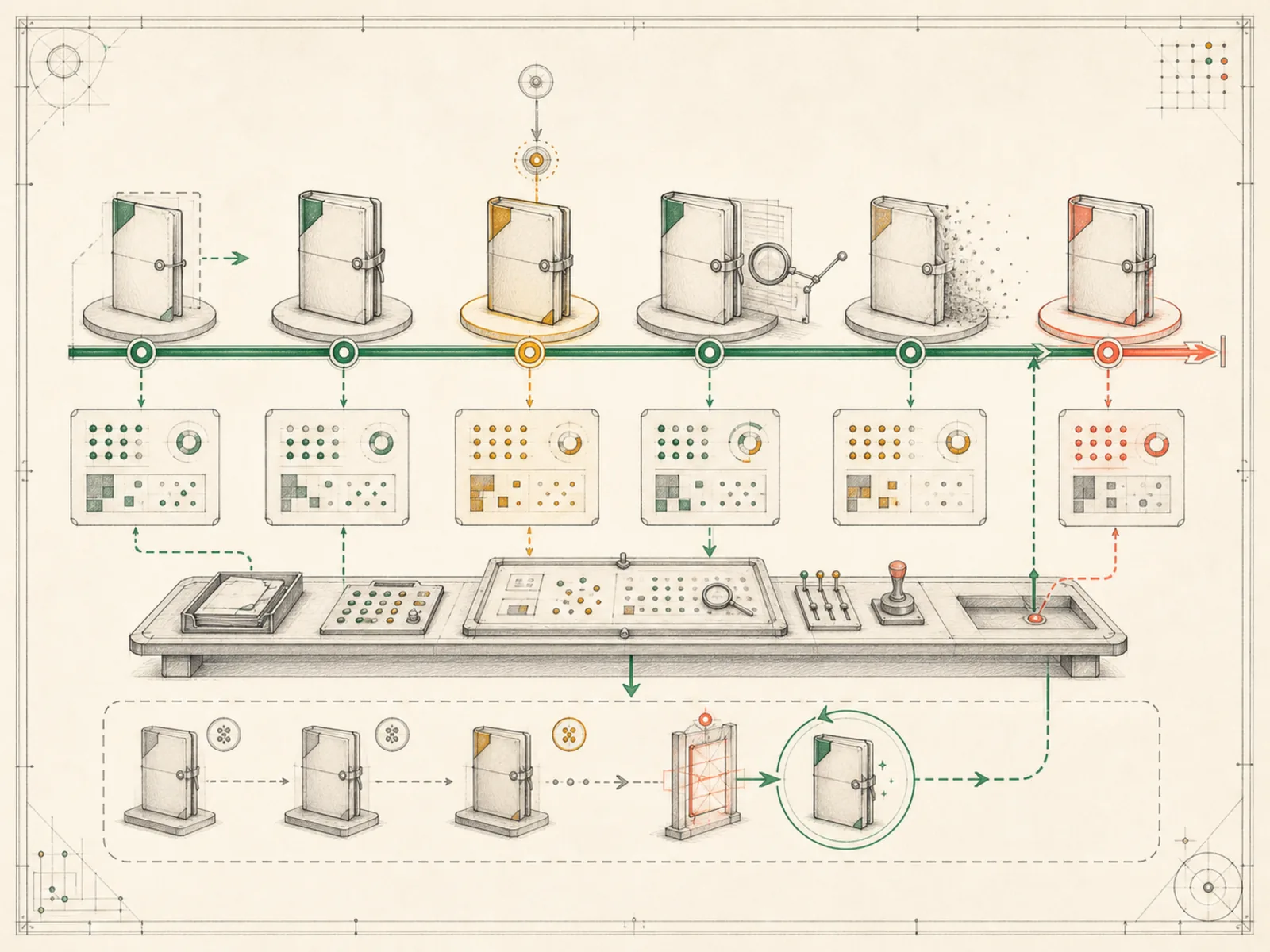
由背景策展程序管理技能的起草、使用、精煉、老化、封存與明確還原,並以活動記錄決定狀態轉換。
白話解釋
想像一位園丁的日記——第一次在花圃中發現不熟悉的害蟲時開始記錄,起初是粗糙的筆記,在接下來幾個季節害蟲再次出現時不斷完善,最後當那種害蟲不再出現時就不再翻開。Hermes 的技能經歷相同的軌跡:被寫下,透過重複使用而變得精良,然後在不再有人需要時悄然退役。
為什麼重要
為單一用途起草的技能若沒有經歷其餘生命週期——在真實任務中測試、反覆使用,再根據實際暴露的缺口精煉——很少能永久保持正確。跳過精煉步驟,技能會悄悄腐化:原本有效的程序逐漸不符合代理的實際使用方式,直到失敗時才出現明顯訊號。自我改善技能本質上就是持續運作這套生命週期,而不是只做一次撰寫工作。
運作方式
agent/curator.py 的 apply_automatic_transitions 只檢查由背景策展程序管理的技能,不會處理所有已安裝技能。它根據持久化活動資料與可設定的閒置期限判定狀態;預設 30 天未使用會標記為 stale,90 天未使用則依 stale/archive 路徑移到可還原的封存資料夾。已釘選或被 cron 參照的技能會略過自動轉換。再次使用 stale 技能時,活動時間會立刻更新,但要等下一次策展程序執行才會回到 active。已封存技能則必須明確執行還原;一般使用不會私自把它移回來,內容修正也必須透過明確的 patch 動作。
具體範例
Hermes 建立一份符合背景策展程序管理資格的 Kubernetes rollout 技能。後續檢查發現它超過 30 天未被使用,便輸出狀態 stale;再次使用會更新活動時間,但必須等下一次策展程序執行才回到 active。若閒置超過 90 天而被移至 archived,單純使用不會自動還原,使用者必須明確執行還原,結果才會重新出現在可用技能清單。
如何連結
「技能生命週期」屬於「技能」系列。最直接相關的概念包括:「技能探索」、「技能設定變數」、「代理執行環境」、「個人作業系統」。這些連結描述教學關係,不取代來源證據。
來源證據
agent/skill_utils.py#<file>— 結構性來源;只確認來源檔關聯,不單獨證明特定呼叫順序。
工作流程
- 目前尚無第一輪工作流程對應;此概念仍透過文章與來源證據出現在知識庫圖譜中。
相關文章
- 目前沒有文章以足夠頻率直接提及此概念名稱或別名,尚未達到提及探勘門檻。