自我改善技能
這是什麼
把反覆出現的經驗教訓寫回技能指示,讓下一次相似任務直接採用改良後的程序。
白話解釋
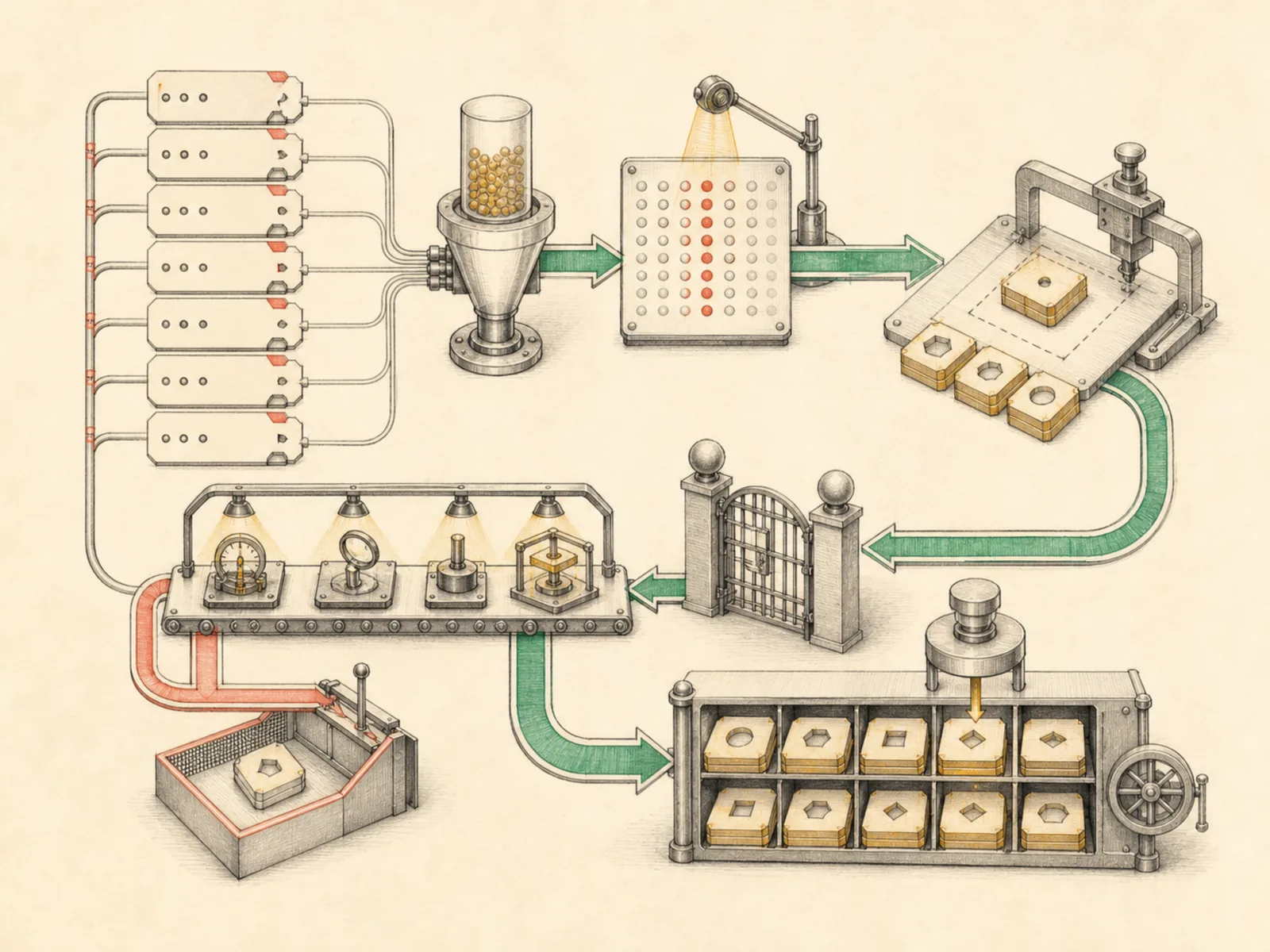
想像一位教練,當一個花招戰術第三次險些出錯時,他直接在那本戰術手冊的該頁上鉛筆修正,讓下一場比賽從修正版開始,而不是從空白的場邊草稿重新來過。自我改善技能對 Hermes 來說也是如此:一旦找到更好的修正方法,已儲存的程序會直接在原地被修改,而不是每次對話都要重新解決同樣的錯誤。
為什麼重要
技能若在實際使用中反覆以同一種方式失敗,就是明確的改善訊號。自我改善技能會把修正過的錯誤與新發現的邊界情況寫回指示,避免下一次重蹈覆轍。這正是 Hermes 與靜態提示庫的差別:在長期運作的 VPS 工作階段中反覆使用的技能,應隨使用逐步改善,而不是只累積不變的內容。要做到這點,必須確實執行技能生命週期中的起草、測試、使用與精煉,而不是寫完一次便擱置不管。
運作方式
技能採分層方式載入:先提供索引項目,需要時才載入完整內容,明確要求後才讀取參考檔案;探索與 frontmatter 解析集中在 agent/skill_utils.py。代理完成困難的多步驟任務、走進死路或收到修正時,可以呼叫 tools/skill_manager_tool.py 實作的 skill_manage,以 create、edit 或 patch 動作修改 SKILL.md,把修正保存下來,而不是只靠當次工作階段的記憶;其中優先使用 patch,因為只需重新傳送變更文字,不必重寫整份檔案。另一個背景策展程序會依 website/docs/user-guide/features/curator.md 所述追蹤使用情況,將符合資格的技能在 active、stale 與 archived 狀態間轉換,也能在使用者選擇啟用後定期檢視並整併近似技能;但這只適用於標記為 agent-created、由獨立背景改善流程建立的技能,不包括前景代理在一般對話中依使用者指示保存的技能。
具體範例
Hermes 花了八次工具呼叫才找出不穩定部署腳本的修法,於是把有效步驟保存成 devops 類別的新技能。三週後另一個部署出現相同問題,Hermes 載入該技能,只用兩次工具呼叫便完成處理。由於這份技能是在一般對話中依使用者指示建立,而非背景改善流程產生,因此不屬於 agent-created,會持續保持 active,不受預設 30 天後標記 stale、90 天後移至 archived 的策展生命週期影響;即使被封存,也只是移到可明確還原的資料夾,並非刪除。
如何連結
「自我改善技能」屬於「技能」系列。最直接相關的概念包括:「漸進式揭露」、「標準作業程序」、「代理執行環境」、「個人作業系統」。這些連結描述教學關係,不取代來源證據。
來源證據
agent/skill_utils.py#<file>— 結構性來源;只確認來源檔關聯,不單獨證明特定呼叫順序。
工作流程
- 目前尚無第一輪工作流程對應;此概念仍透過文章與來源證據出現在知識庫圖譜中。